Long before the advent of mechanized printing or the rise of commercial publishing, a revolutionary act of making quietly emerged in Egypt.
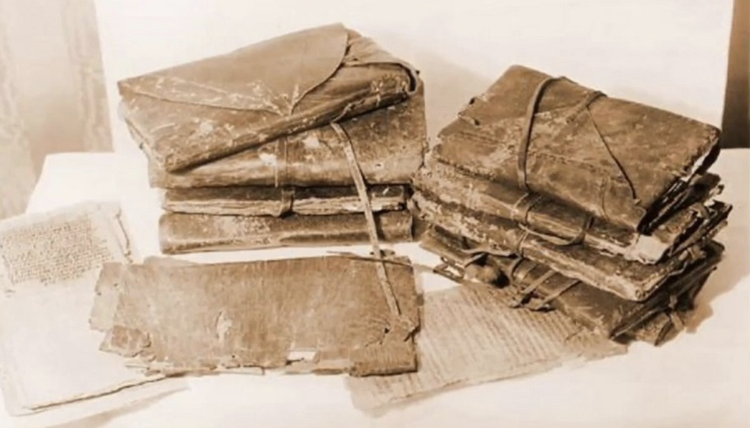
In the 2nd century AD, early Coptic Christians developed stitch binding—a hand-sewn method of codex construction that remains one of the oldest, most enduring, and most exquisite forms of bookbinding.
It’s an absolute testament to its structural integrity, material intelligence, and aesthetic grace that this technique has withstood centuries of technological advancement.
Coptic binding represents more than a technical innovation; it marks a conceptual shift in how knowledge was preserved and shared.
By moving from scroll to codex, the Copts redefined the book—not simply as a container of text, but as a tactile, interactive object.
Folded sheets of parchment were stitched through their spines and affixed to wooden covers, creating the earliest examples of the book as we now recognize it.
This transformation laid the groundwork for how we engage with written and visual culture today.
Aesthetic + Structural Significance
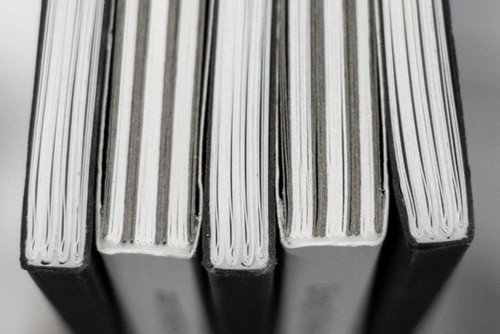
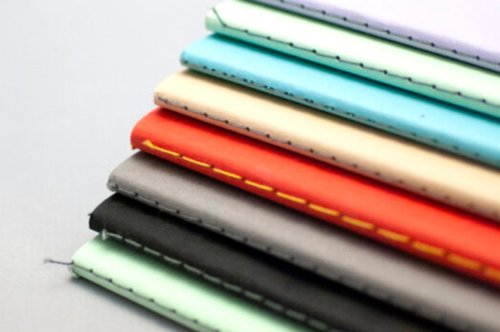
saddle stitch binding
hardback binding
section sewn binding
interscrew binding
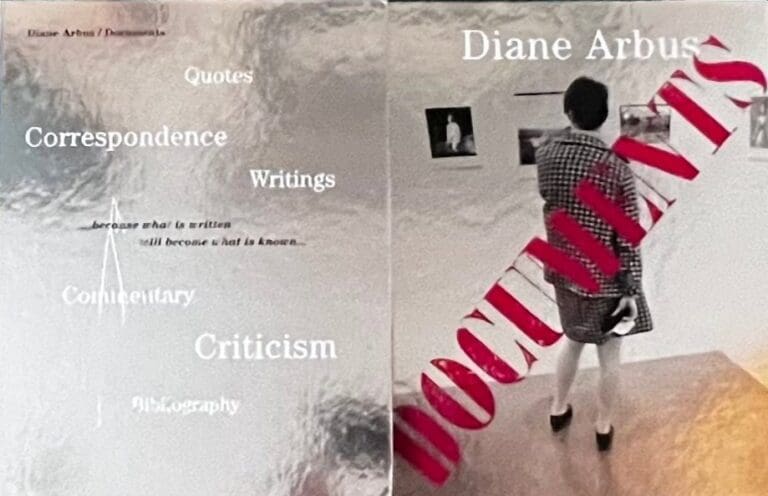
perfect bound binding
singer sewn binding
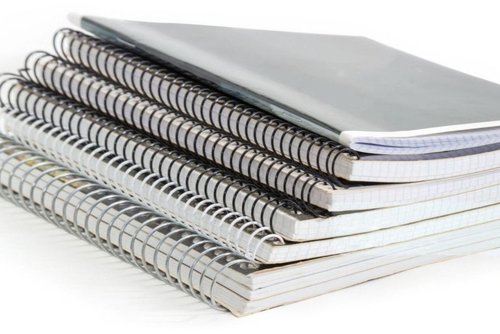
spiral binding
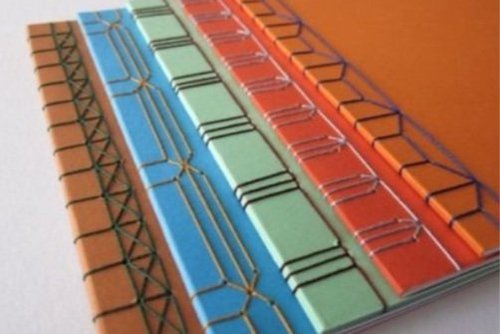
japanese binding
What continues to distinguish Coptic stitch binding—what makes it urgently relevant in the current landscape of art, publishing, and design—is its elegant confluence of strength and sensuousness.
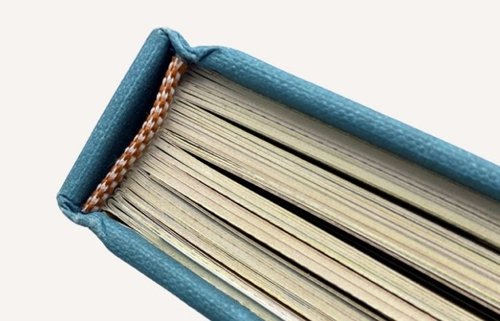
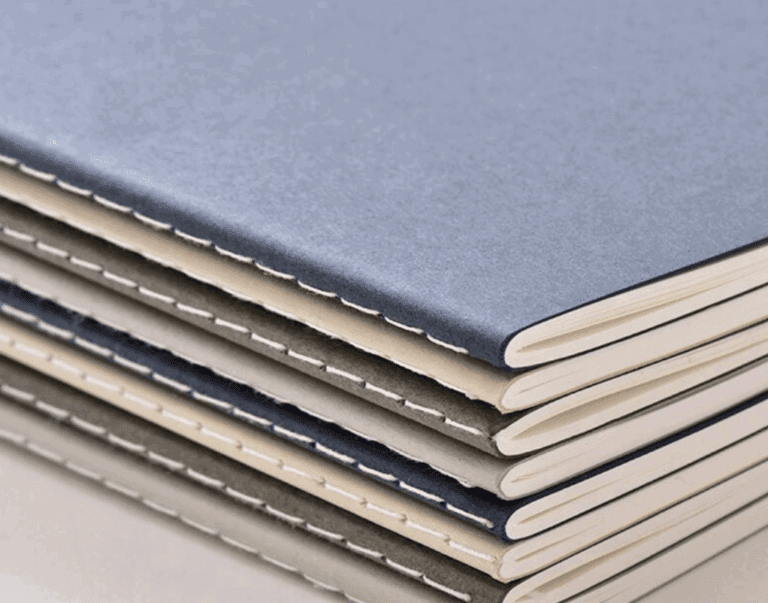
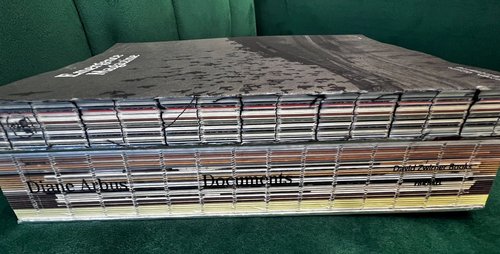
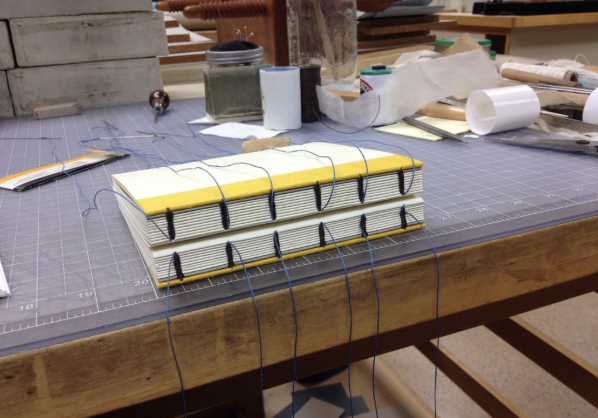
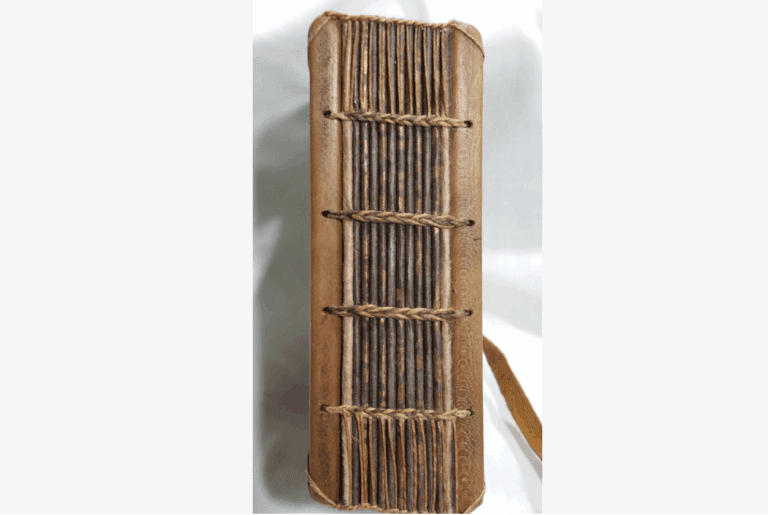
The exposed chain stitch along the spine, with its looping threads and visible tension, is not merely functional. It is visual poetry—a rhythmic structure that externalizes the labor of the hand.
Technical Breakdown
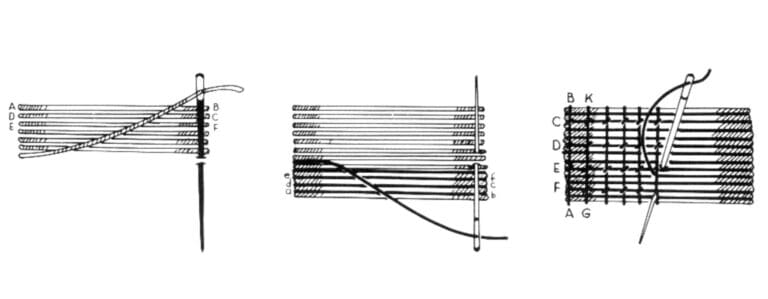
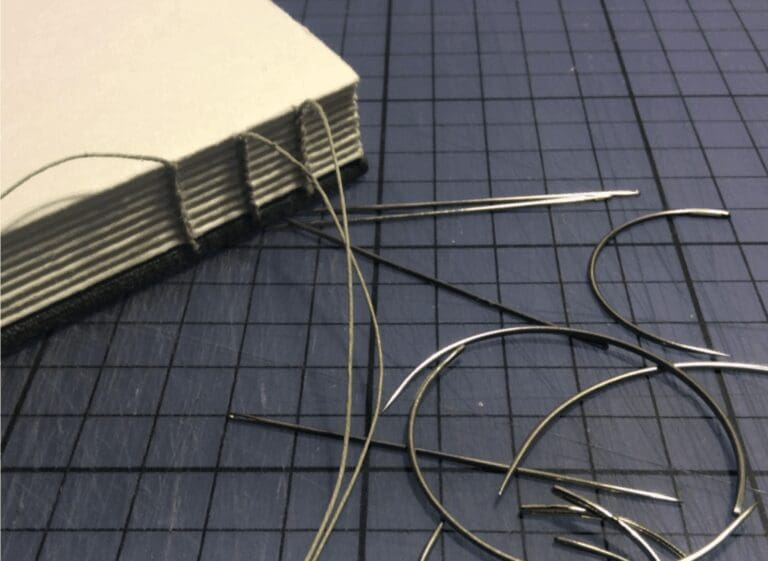
Technically, stitch binding refers to any method that uses thread to physically interlock folded pages, often through their center folds or along the spine.
Unlike glue-based approaches such as perfect binding, stitch binding embeds time, gesture, and care into the object itself
Practical Benefits
Coptic stitch binding possesses a rare quality: it allows a book to lie completely flat when opened. This deceptively simple feature carries profound implications for artists, bookmakers, and designers.
It permits seamless visual spreads, uninterrupted narratives, and an ergonomic reading experience.
Material Philosophy
There is something deeply architectural about the stitchwork—its symmetrical tension, its spine-as-scaffold—that speaks to a language of construction and temporality.
Contemporary Practice
In contemporary publishing, the resurgence of Coptic stitch binding isn’t incidental—it’s intentional.
Its very presence signals a refusal: of mass production, of ephemerality, of the loss of the maker’s trace.
Though less prevalent than perfect-bound or saddle-stitched formats, it appears in monographs, chapbooks, and artist editions that privilege the handmade, the intimate, the permanent.
Philosophical Framework
Egyptian Coptic stitch binding is, ultimately, a philosophy of making—one that privileges visibility, rigor, and reverence. It insists on slowness in an age of acceleration.
It invites contemplation in a culture of distraction. And it reminds us that the form of a book is never neutral. It is a vessel of ideas but also of touch, labor, and legacy.
Endurance +Legacy
Egyptian Coptic stitch binding is, ultimately, a philosophy of making—one that privileges visibility, rigor, and reverence.